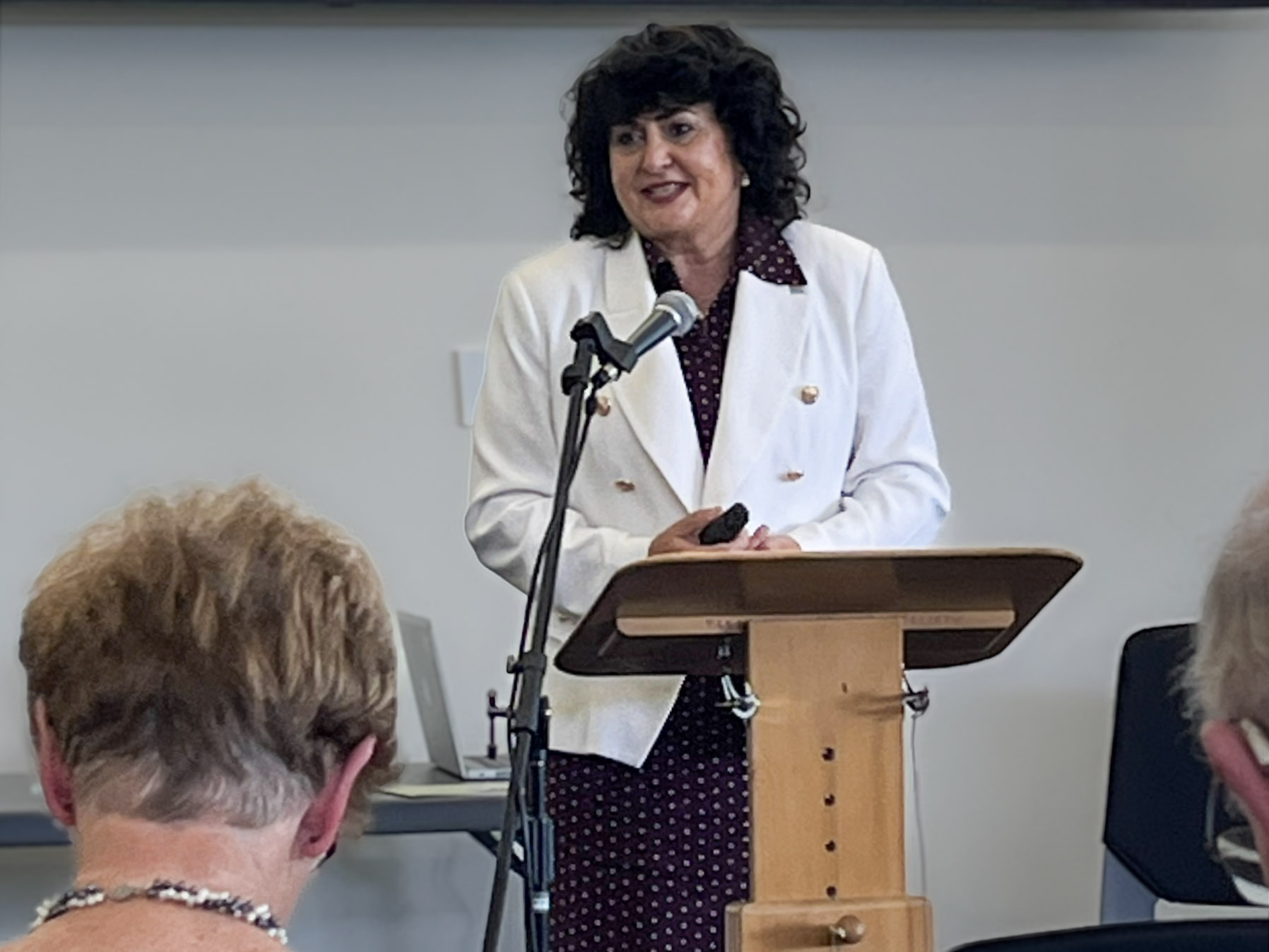
New Business of Ageing report highlights the growing contribution of older New Zealanders
A new report from the New Zealand Institute of Economic Research (NZIER) shows how population ageing is already shaping New Zealand’s economy and communities. It highlights the growing contribution older New Zealanders make across many areas of life.
The Business of Ageing 2026 report looks at the economic and social contributions of people aged 65 and over, including paid work, self-employment, tax contributions, consumer spending, investment income, and unpaid work such as volunteering, caring, and supporting families and communities.
Read Minister for Seniors Casey Costello's media release on the Business of Ageing report
A broader picture of contribution

Business of Ageing Cover Image
The report finds that older New Zealanders make a significant and growing contribution to the economy.
Paid work by people aged 65 and over is currently valued at nearly $9 billion per year, with an additional $5 billion in income from self-employment.
Unpaid work (including volunteering and caregiving) is estimated to be worth about $20 billion a year, reflecting the important role older people play in supporting whānau and communities.
Read NZIERs media release on the Business of Ageing report
Changing patterns of work and participation
The report highlights the increasing role of older workers in New Zealand’s labour market. While overall participation rates change as the population ages, the number of people aged 65 and over in work continues to rise, reflecting longer working lives and changing expectations about later-life employment.
Supporting long-term planning
The Business of Ageing series, first published in 2011, provides one of the most comprehensive long-term evidence bases on the economic contribution of older people in New Zealand. The 2026 update includes new projections and analysis reflecting current labour market trends, spending patterns, and demographic change.